

Thinking About Hiring a Color Consultant? Here’s What You Need To Know

Hiring a color consultant can feel a little mysterious. Is this going to be an Architectural Digest fantasy meant for people with professional organizers and private contractors, or is someone going to fix everything with the right shade of greige? The truth, mercifully, is far more practical.
Before you invest in professional color help (whether in-person here in Vermont or virtually from anywhere), here are a few things worth knowing. Think of this as Color Consulting 101, no beret required.
Save this post by pinning it to your interior design board. PIN IT!
What A Color Consultant Is and Isn’t
Over the last year, I’ve started compiling a list of questions and misconceptions that come up during onboarding meetings with new clients. About 99% of people come to me wanting paint colors (but roughly 98% of them aren’t actually ready for them yet.)
Here’s the simplest way to think about what color consulting is (and isn’t):
- Not just picking paint
- Not full interior design
- About big-picture decisions, not micromanaging details
- Focused on color across all materials
- Strategic, not trendy
- Collaborative, not prescriptive
If that sounds a little different than what you expected, that’s intentional. Below, I’ll explain why paint is often the last decision, how to know if a color consultant is the right fit for your project, and how to get the most out of the process if you decide to work with one.
Tip #1: Painting Walls Is Not the Same Thing as Decorating
Let’s clear this up right away: paint is not decor.

Yes, paint makes a big visual impact. Yes, it’s exciting. But choosing wall color should rarely be the first decision in a space. That’s like picking shoes before you know what outfit you’re wearing.
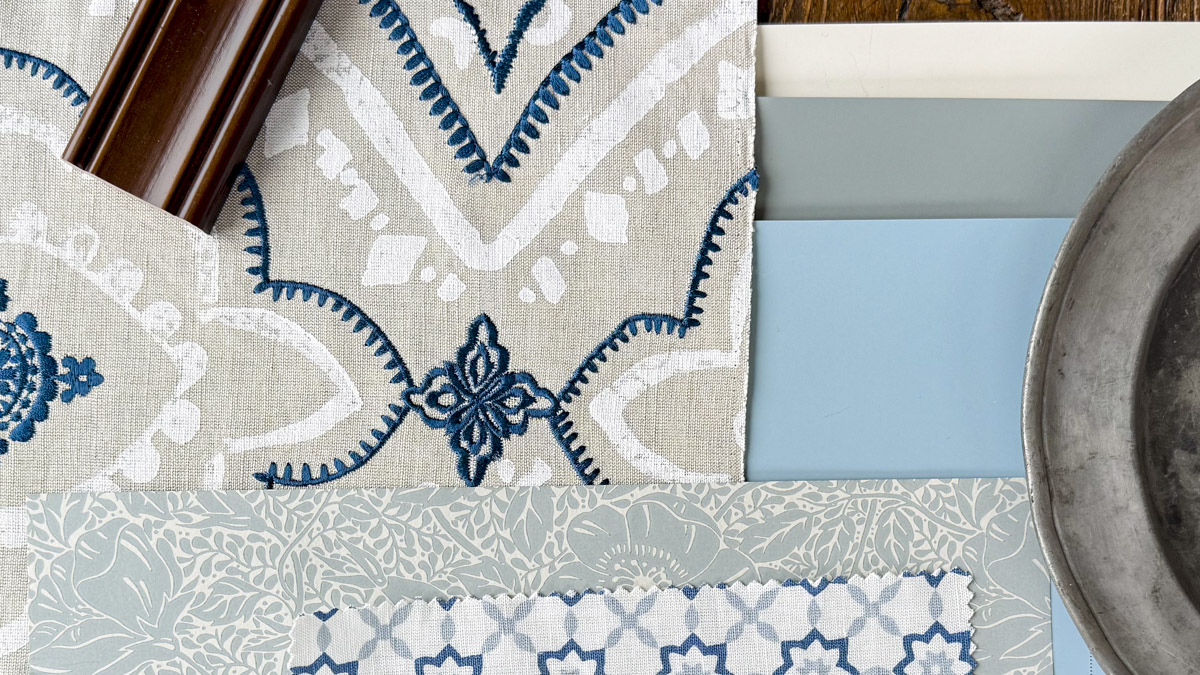
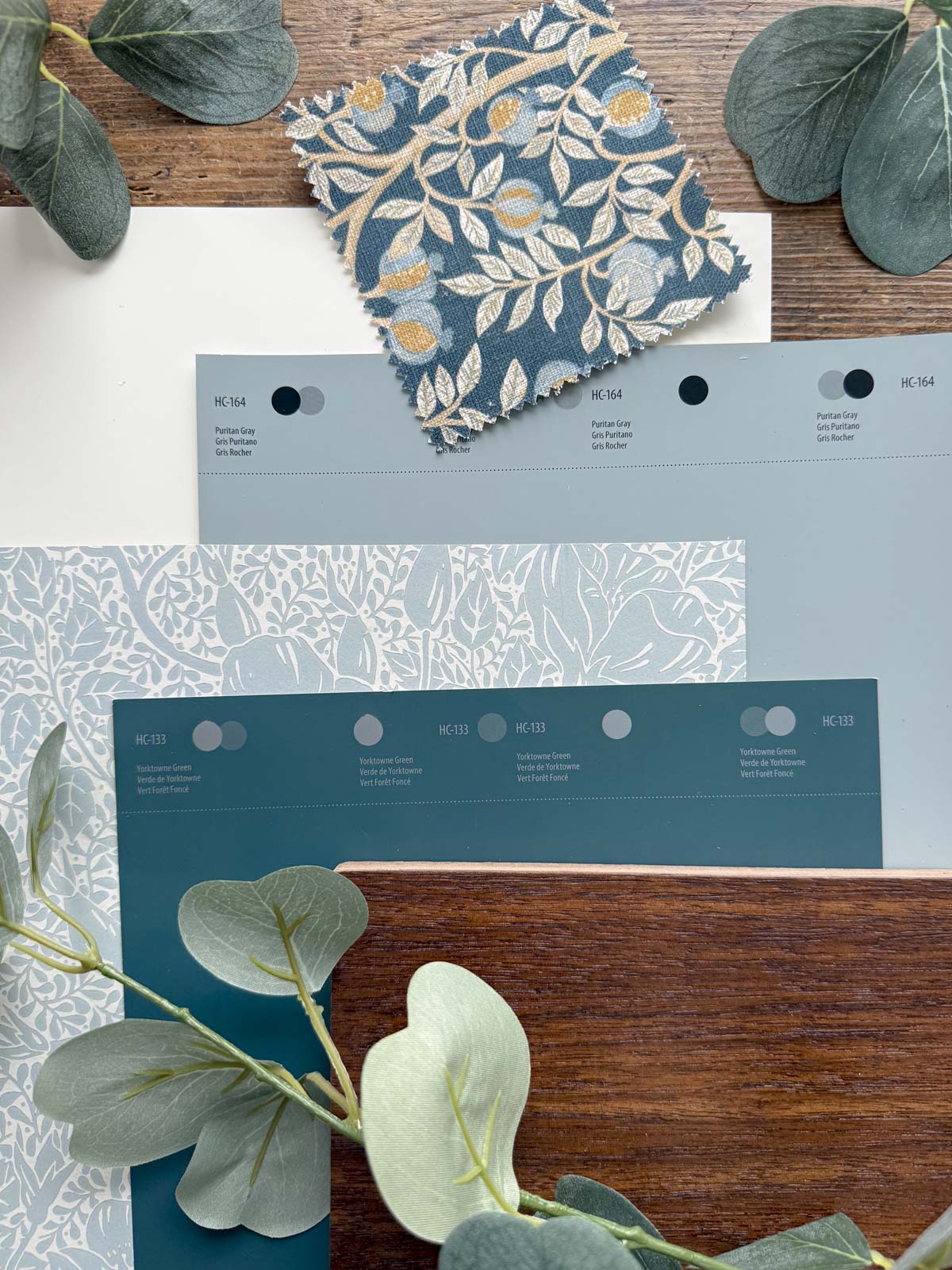
True color consulting goes far beyond creating a paint schedule. It’s about developing a whole-home color palette—one that takes into account architecture, light, finishes, furnishings, and how spaces connect to each other.

When you work with a color consultant, the goal is harmony:
- Using proven color relationships (like complementary colors or accented neutral schemes)
- Repeating colors throughout the home so rooms feel connected, not chaotic
- Creating flow instead of that “every room was painted on a different weekend” look
Take buying an area rug for example: there are more than 4,000 paint colors and approximately five rugs that will actually work in your space. (Okay, that’s an exaggeration—but not by much.) But my point is, paint comes after the plan, not before. Otherwise, decorating can feel like searching for a needle in a haystack.
Tip #2: Create the Color Scheme First (Yes, Before Anything Else)
A solid color scheme is the backbone of a cohesive home. Before you’re debating which white or spiraling over undertones, you need to know:
- What colors belong in your home overall
- How warm or cool the palette should be
- How much contrast you want from room to room

This is where a consultant earns their keep. A good color scheme accounts for:
- Natural and artificial light
- Architectural style
- Existing finishes (floors, tile, stone, countertops)
- Your personal tolerance for color (be honest here!)
Once the scheme is in place, every other decision gets easier (and faster.)
If you already have furniture you love, carpets and art, then your color consultant will help you bridge the colors together to incorporate them into the paint colors and decoration.

Tip #3: Choose a Color Consultant Who Actually Gets Your Style
Not all color consultants work the same way (and that’s a good thing.)
Some focus strictly on paint. Others can help with textiles, furnishings, and finishes. Some lean modern and minimalist; others specialize in timeless, classic palettes.

My own work focuses on:
- Traditional and historic colors based on New England Style
- Classic, enduring color schemes that are not trend-specific
- What actually works with the lighting and architecture of the Northeastern U.S.

Before hiring anyone, spend time with their portfolio and social media. If every project makes you think, “Oh, I love that,” you’re probably in the right place.
Tip #4: Compare Deliverables (Not Just Prices)
When comparing color consultants or firms, look closely at what you’re actually getting.

Ask questions like:
- Will I work one-on-one with the consultant?
- Is this a customized palette, or a generic PDF based on a questionnaire?
- Do I get to give feedback and ask questions?
- Is this a conversation or a download?
If you want a highly customized, hands-on experience, working directly with a consultant who creates tailored palettes (hi 👋) is usually the better fit. Read about my color consulting services.
If you’re looking for a quick, budget-friendly answer and don’t need much nuance, there are faster options out there. The key is choosing what matches your expectations—not being surprised later.
Tip #5: Know When You Need a Color Consultant vs. an Interior Designer
It’s also important to know when you need a color consultant versus an interior designer. Color consultants focus on creating cohesive palettes for paint and all the materials in a space, helping you make big-picture color decisions and develop a clear plan for your project.

Interior designers, on the other hand, handle space planning, do furniture layouts and do design of built-ins and kitchens. They often work directly with engineers, architects and subcontractors and meet on site throughout the process. As you may imagine, it is a much more involved relationship and the price will reflect this.

If the layout is staying put and the challenge is visual harmony, color consulting is often exactly what you need and will be a more budget-friendly option.
Tip #6: Before you start, Come Prepared
Researching colors and collecting inspiration will help you get the most out of your consultation.

You don’t need a degree in color theory to work with a color consultant, but a little shared language goes a long way. Understanding terms like chroma, saturation, and LRV helps you describe what you’re responding to—and just as importantly, what you’re not responding to—so we’re not playing a game of design telephone.
A few worth knowing:
- Hue– base color, such as red. Aka the color’s name
- Chroma – Clean colors vs dirty colors
- Saturation – Highly pigmented strength of color vs softness
- LRV (Light Reflectance Value) – how much light a color reflects
Equally helpful? Inspiration images. Photos of rooms you love (or strongly dislike) give your consultant invaluable context. These images aren’t a shopping list or a literal blueprint; they’re clues about mood, contrast, color relationships, and how you want a space to feel.
The combination of clear vocabulary and visual references makes the process more efficient, more collaborative, and far less frustrating for everyone involved.
Final Thoughts
Whether you’re hiring a color consultant in Vermont for an in-person visit or working virtually from somewhere else entirely, the process should feel collaborative, thoughtful, and—dare I say—fun.
Color is powerful. It sets the mood of your home and affects how everything else looks. With the right guidance (and the right expectations), it can also be one of the most satisfying parts of the design process.
If you’re convinced that working with a color consultant is the right next step—and you think we’d be a good fit—I offer two ways to work together. You can book virtual color consulting, which is available anywhere, or in-person color consulting in Vermont for hands-on guidance in your home. Either way, you’ll get a thoughtful, customized color plan designed to help you move forward with confidence.